US and China Engage in AI Talks Amidst Breakthrough Fears
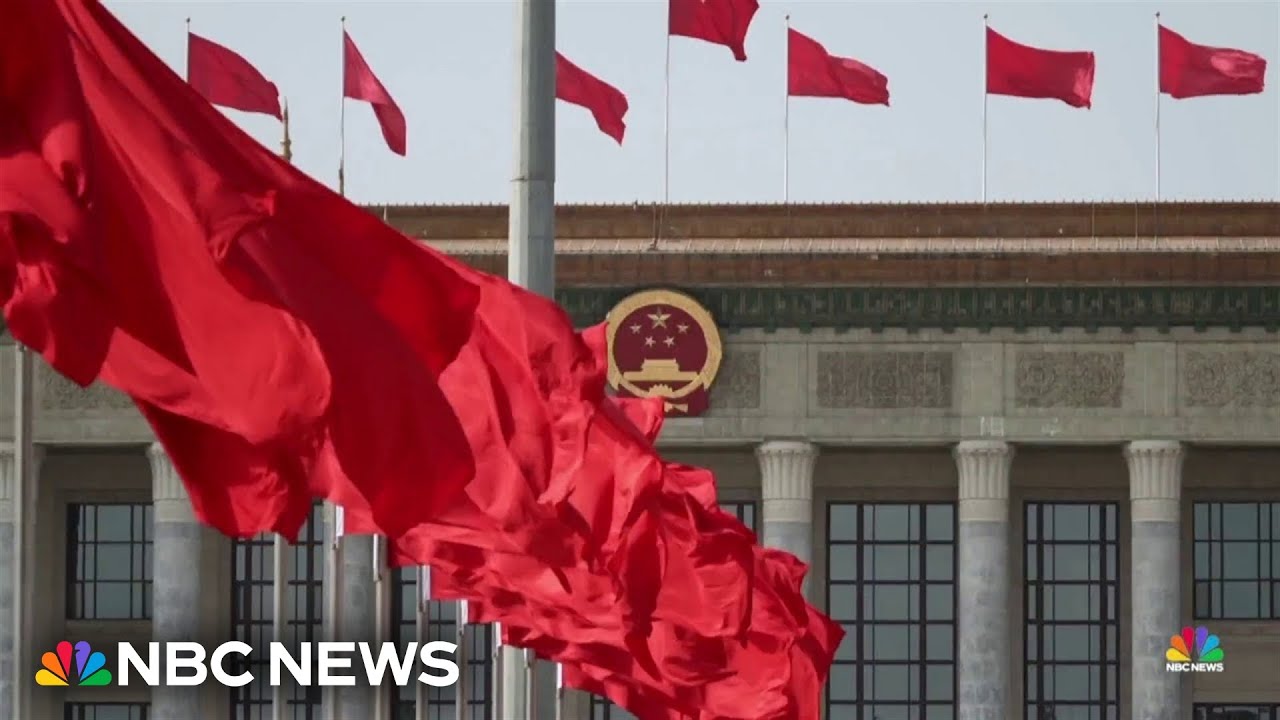
In a significant geopolitical development, the **United States** and **China** have initiated high-level discussions concerning **artificial intelligence…
Summary
In a significant geopolitical development, the **United States** and **China** have initiated high-level discussions concerning **artificial intelligence (AI)**. This unprecedented dialogue stems from escalating fears within both nations about the potential for a rapid AI breakthrough that could destabilize global power dynamics. The talks, occurring under the **Biden administration**, mark a critical juncture where national security concerns surrounding AI's rapid advancement are superseding traditional technological competition. The urgency reflects a shared, albeit differently framed, apprehension about the unpredictable trajectory of AI development and its potential to reshape international relations and military capabilities. This engagement signifies a potential shift in how major powers approach existential technological threats, moving from pure competition to cautious cooperation.
Key Takeaways
- The US and China are holding unprecedented talks on AI due to fears of a rapid technological breakthrough.
- These discussions signal a potential shift from pure competition to risk management in AI development.
- National security concerns are driving the urgency for dialogue between the two AI superpowers.
- The effectiveness of these talks hinges on mutual trust and verifiable commitments.
- The outcome will significantly impact future global geopolitical and technological landscapes.
Balanced Perspective
The initiation of talks between the **US** and **China** on AI reflects a pragmatic acknowledgment of the technology's profound and potentially destabilizing impact. The discussions are likely focused on understanding each nation's red lines, exploring avenues for de-escalation, and potentially establishing norms for AI development and deployment, particularly in military contexts. The effectiveness of these talks will hinge on the transparency and commitment of both parties to address genuine concerns rather than using them as a diplomatic tool.
Optimistic View
This dialogue represents a crucial step towards global AI safety and stability. By engaging directly, the **US** and **China** can establish guardrails, share best practices, and potentially collaborate on mitigating the risks of advanced AI, fostering a more predictable and secure technological future. This cooperation could prevent an AI arms race and ensure that the benefits of AI are broadly shared, rather than concentrated in a way that exacerbates global inequalities.
Critical View
The very need for these talks underscores the deep-seated anxieties surrounding a potential AI breakthrough, suggesting a race towards an unknown and potentially dangerous frontier. The inherent strategic competition between the **US** and **China** means that any agreements reached may be fragile, easily undermined by national interests or a sudden acceleration in AI capabilities. This dialogue could also be a smokescreen for continued, covert AI development, with each side seeking to gain an advantage while appearing cooperative.
Source
Originally reported by Los Angeles Times